Genel

otelyx

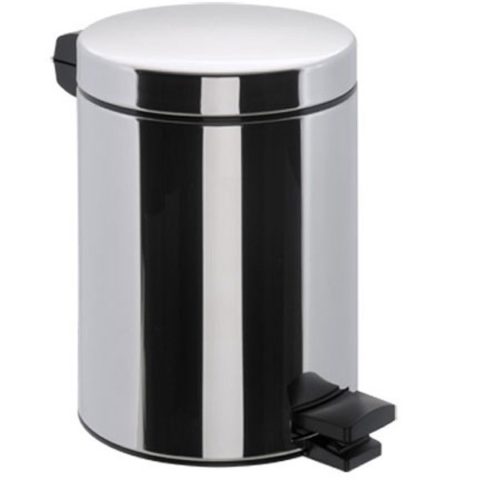
Waste Basket

Elevate Your Hotel’s Ambiance with the Perfect Waste Basket

In the realm of hotel design and guest experience, every detail matters. From the luxurious bedding to the impeccable service, hotels strive to create an atmosphere of comfort and sophistication for their guests. One often-overlooked element that can significantly contribute to this ambiance is the waste basket. While seemingly mundane, the right waste basket can enhance the overall aesthetic and functionality of a hotel room. Let’s explore why selecting the perfect waste basket is crucial for any hotel striving for excellence.

1. Aesthetics

The waste basket may be a utilitarian item, but it plays a vital role in the visual appeal of a hotel room. A well-designed waste basket can seamlessly blend into the room’s decor, adding a touch of elegance and cohesion to the space. Whether your hotel boasts a contemporary chic or classic elegance style, there’s a waste basket to match. Choose from a variety of materials, such as sleek stainless steel, timeless wicker, or modern acrylic, to complement your hotel’s design aesthetic.

2. Quality Craftsmanship

Guests notice when attention is paid to even the smallest details, and the quality of the waste basket is no exception. Investing in a well-crafted waste basket demonstrates your hotel’s commitment to excellence and ensures durability for long-term use. Look for waste baskets constructed from high-quality materials that can withstand daily wear and tear without losing their functionality or aesthetic appeal. A sturdy waste basket not only adds to the overall guest experience but also reflects positively on your hotel’s brand image.

3. Size and Capacity

When selecting a waste basket for your hotel, consider the size and capacity based on the average occupancy and length of stay of your guests. A waste basket that is too small may quickly overflow and appear unsightly, while one that is too large can take up valuable space and disrupt the room’s flow. Opt for a waste basket with a size and capacity that strike the right balance between functionality and space efficiency. Additionally, choose a design with a removable liner for easy cleaning and maintenance.

4. Odor Control

Maintaining a fresh and inviting atmosphere is essential in the hospitality industry, and proper waste management plays a crucial role in odor control. Select a waste basket with features designed to minimize odors, such as a tight-fitting lid or a built-in deodorizer. Additionally, consider placing scented liners or sachets at the bottom of the waste basket to impart a subtle fragrance and mask any unwanted odors. By prioritizing odor control, you can ensure that your guests enjoy a pleasant and comfortable stay.

5. Eco-Friendly Options

As sustainability becomes increasingly important to consumers, eco-friendly waste management solutions are gaining popularity in the hospitality industry. Choose waste baskets made from recycled materials or opt for compostable liners to minimize environmental impact. Implementing eco-friendly practices not only demonstrates your hotel’s commitment to sustainability but also resonates with environmentally conscious guests who prioritize eco-friendly amenities.

In the world of hotel design and guest experience, every detail counts, including the waste basket. By selecting the perfect waste basket for your hotel, you can elevate the ambiance, demonstrate quality craftsmanship, ensure functionality, control odors, and embrace eco-friendly practices. Investing in the right waste basket not only enhances the overall guest experience but also reinforces your hotel’s commitment to excellence and sustainability. So, next time you’re considering hotel amenities, remember the importance of the humble waste basket in creating a memorable stay for your guests.
otelyx

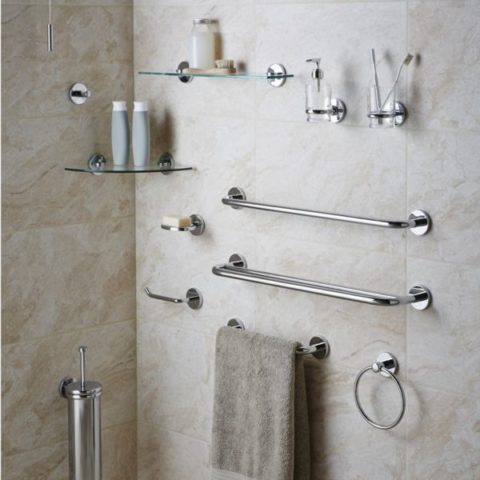
Bathroom Accessories

Revamp Your Bathroom with These Must-Have Accessories

The bathroom is often overlooked when it comes to interior design, but it’s a space that deserves attention just like any other room in your home. Adding the right accessories can transform your bathroom from a mundane space to a luxurious retreat. Whether you’re looking to create a spa-like oasis or simply want to add functionality and style, here are some must-have bathroom accessories to consider.

1. Towel Warmer

Stepping out of the shower or bath onto a warm towel is a small luxury that can make a big difference in your daily routine. A towel warmer not only keeps your towels toasty but also helps to dry them quickly, reducing the risk of mildew and odors. With options ranging from wall-mounted racks to freestanding units, there’s a towel warmer to suit every bathroom style and size.

2. Shower Caddy

Say goodbye to cluttered shower shelves and countertops with a sleek shower caddy. These handy organizers come in a variety of designs, including corner shelves, hanging baskets, and tension pole caddies. Choose one with adjustable shelves and hooks to accommodate all of your shower essentials, from shampoo and conditioner to razors and loofahs.

3. Soap Dispenser

Ditch the unsightly plastic soap bottles and upgrade to a stylish soap dispenser. Available in a range of materials, such as glass, ceramic, and stainless steel, these dispensers add a touch of elegance to your bathroom sink. Opt for a countertop model or choose a wall-mounted dispenser to save space and keep your sink area neat and tidy.

4. Bathroom Scale

Maintaining a healthy lifestyle starts with regular monitoring of your weight. A bathroom scale is an essential accessory for anyone looking to keep track of their fitness goals. Look for a digital scale with features like body composition analysis and smartphone connectivity for added convenience.

5. Toilet Paper Holder

Keep your toilet paper within easy reach with a stylish toilet paper holder. Choose from wall-mounted designs, freestanding holders, or even built-in units for a seamless look. Whether you prefer a modern minimalist style or something more ornate, there’s a toilet paper holder to complement any bathroom decor.

6. Vanity Mirror

A well-lit vanity mirror is essential for grooming tasks like applying makeup and shaving. Look for a mirror with adjustable brightness settings and built-in magnification for maximum versatility. Wall-mounted mirrors save space and offer a sleek, modern look, while countertop models are portable and easy to move around as needed.

7. Bath Mat

Add warmth and comfort to your bathroom floor with a plush bath mat. Choose a mat with a non-slip backing to prevent accidents, and opt for a machine-washable design for easy cleaning. Coordinate your bath mat with your towels and shower curtain for a cohesive look, or mix and match colors and patterns for a playful vibe.

8. Storage Solutions

Keep your bathroom organized and clutter-free with the right storage solutions. Invest in a medicine cabinet or wall-mounted shelves to store toiletries and medications out of sight, and use baskets or bins to corral smaller items like hair accessories and cleaning supplies. Over-the-door hooks and towel bars are perfect for hanging robes and towels, while under-sink organizers maximize space in vanity cabinets.

With the right accessories, you can transform your bathroom into a stylish and functional space that you’ll love spending time in. From towel warmers and shower caddies to soap dispensers and vanity mirrors, these must-have accessories will elevate your bathroom to the next level of luxury and convenience. So why wait? Start shopping today and give your bathroom the makeover it deserves!

otelyx

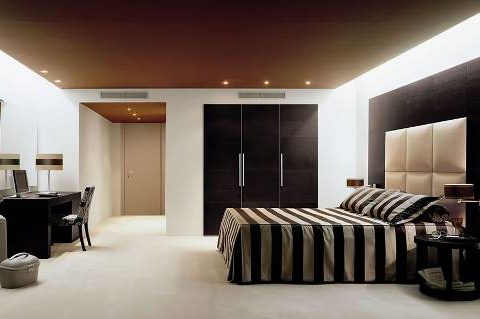
Hotel Guestroom Furniture

Hotel guestroom furniture plays a vital role in creating a comfortable and inviting environment for guests during their stay. Here’s an overview of the typical furniture pieces you might find in a hotel guestroom:

1. Bed: The bed is the centerpiece of any guestroom. Hotels often feature queen or king-sized beds with comfortable mattresses and high-quality linens to ensure a restful night’s sleep. Some hotels may offer options like twin beds or sofa beds to accommodate different guest preferences and group sizes.

2. Nightstands: Nightstands are placed beside the bed and provide a convenient surface for guests to place personal items like phones, books, or glasses. They often feature drawers or shelves for additional storage.

3. Dresser or Chest of Drawers: These furniture pieces offer storage space for guests to store clothing and personal belongings. Dressers typically include multiple drawers, while chests of drawers may have a taller, more narrow design.

4. Desk and Chair: Many hotels provide a desk and chair for guests who need to work or study during their stay. The desk may include amenities like a lamp, power outlets, and USB charging ports to accommodate modern technology needs.

5. Seating Area: Larger guestrooms may include a seating area with comfortable chairs, sofas, or loveseats. This space provides guests with a place to relax, read, or socialize outside of the bed area.

6. Closet: A closet with hangers allows guests to hang clothing and keep their belongings organized. Some closets may include additional amenities like a luggage rack, iron, and ironing board.

7. Luggage Bench or Rack: A luggage bench or rack provides a designated space for guests to place their luggage, keeping it off the floor and easily accessible.

8. Mini Fridge and Microwave (Optional): Some hotels may include a mini fridge and microwave in guestrooms, providing added convenience for guests who want to store or prepare food and beverages.

9. TV Console: A TV console typically houses the television and may include additional storage space for media devices or personal items.

10. Aesthetic Elements: Hotels often incorporate design elements such as artwork, accent lighting, and decorative accessories to enhance the ambiance of the guestroom and create a welcoming atmosphere.

Overall, hotel guestroom furniture is designed to prioritize comfort, functionality, and style, providing guests with everything they need for a pleasant and enjoyable stay.

What are the four types of furniture found in hotels?

In hotels, you’ll typically find four main types of furniture:

1. Bedroom Furniture: This category includes furniture specifically designed for the guest’s sleeping area. The primary piece is, of course, the bed itself, along with accompanying items such as nightstands, dressers or chests of drawers, wardrobes or closets, and seating such as armchairs or sofas if the room allows for it. The bedroom furniture sets the tone for the room’s comfort and functionality, ensuring guests have a restful stay.

2. Lounge or Common Area Furniture: Hotels often have designated areas for guests to relax, socialize, or work outside of their rooms. This type of furniture typically includes sofas, armchairs, coffee tables, and perhaps desks with chairs. These pieces are designed for comfort and versatility, providing guests with spaces to unwind or engage in activities beyond their rooms.

3. Dining Furniture: In hotels with dining facilities or room service options, dining furniture becomes essential. This includes tables and chairs for restaurant dining areas, as well as smaller tables or desks in guestrooms where guests can enjoy meals. The design and quality of dining furniture contribute to the overall dining experience for guests.

4. Outdoor Furniture: Many hotels feature outdoor spaces such as patios, terraces, or pool areas where guests can relax and enjoy the surroundings. Outdoor furniture typically includes chairs, tables, loungers, and umbrellas designed to withstand weather conditions while providing comfort and style.

These four types of furniture cover the essential needs of hotel guests, ensuring they have comfortable accommodations both inside and outside their rooms. Each type serves a specific function while contributing to the overall ambiance and experience of the hotel.

otelyx

Fire Rated Wooden Doors

Fire-rated wooden doors for hotels are crucial components of building safety and compliance with fire codes and regulations. Here are some considerations and benefits:

1. Fire Safety Compliance: Fire-rated wooden doors are specifically designed and tested to withstand fire for a specified period, typically ranging from 20 minutes to 90 minutes, depending on the fire rating required by local building codes and regulations. These doors help contain fire and smoke, allowing occupants to evacuate safely and providing additional time for firefighters to respond.

2. Protection of Life and Property: In the event of a fire, fire-rated wooden doors serve as barriers, preventing the spread of flames and smoke to other parts of the building. This helps protect the lives of hotel guests, staff, and firefighters, as well as minimizing property damage.

3. Aesthetics and Design Flexibility: Fire-rated wooden doors can be designed to complement the interior decor and architectural style of the hotel. They are available in various wood species, finishes, and designs, allowing hoteliers to maintain a cohesive aesthetic while ensuring fire safety.

4. Durable and Reliable Construction: Fire-rated wooden doors are constructed with high-quality materials and components to meet stringent fire resistance standards. They undergo rigorous testing to ensure their integrity and performance in fire conditions, providing peace of mind to hotel owners and guests.

5. Sound Insulation and Privacy: Wooden doors offer effective sound insulation properties, helping to maintain privacy and reduce noise transmission between rooms and corridors in the hotel. This can contribute to a comfortable and relaxing environment for guests.

6. Customization and Branding Opportunities: Fire-rated wooden doors can be customized with hotel logos, signage, or engraved designs, reinforcing the hotel’s brand identity and enhancing the overall guest experience.

7. Professional Installation and Maintenance: It’s essential to have fire-rated wooden doors installed by qualified professionals to ensure proper fitting and functionality. Additionally, regular inspection, maintenance, and testing of fire doors are necessary to ensure they remain in compliance with fire safety standards and regulations.

Overall, fire-rated wooden doors are essential components of hotel fire safety systems, providing reliable protection, aesthetic appeal, and peace of mind for hotel guests and owners alike.

Fire-rated wooden doors offer several benefits for hotels:

1. Fire Safety Compliance: One of the primary benefits of fire-rated wooden doors is their ability to meet fire safety regulations and codes. These doors are specifically designed and tested to resist the spread of fire and smoke for a specified period, allowing occupants to safely evacuate the building and reducing property damage.

2. Containment of Fire and Smoke: Fire-rated wooden doors act as barriers, preventing the spread of flames and smoke from one area of the hotel to another. This containment helps limit the extent of the fire and provides crucial time for evacuation and firefighting efforts.

3. Protection of Guests and Property: By containing fire and smoke, fire-rated wooden doors help protect the lives of hotel guests, staff, and emergency responders. They also safeguard hotel property, including furnishings, equipment, and valuable assets, minimizing losses in the event of a fire.

4. Enhanced Building Safety: Installing fire-rated wooden doors improves the overall safety of the hotel building, enhancing its resilience against fire hazards. This can lead to greater peace of mind for guests and staff, as well as a positive reputation for the hotel as a safe and secure accommodation option.

5. Aesthetic Appeal: Despite their fire-resistant properties, fire-rated wooden doors can be designed to complement the interior design and ambiance of the hotel. They offer aesthetic versatility, allowing hoteliers to choose from various wood species, finishes, and styles to match the overall decor theme.

6. Sound Insulation: Wooden doors provide effective sound insulation, helping to reduce noise transmission between rooms and corridors. This can contribute to a more comfortable and peaceful environment for hotel guests, enhancing their overall experience.

7. Long-Term Durability: Fire-rated wooden doors are constructed from high-quality materials and undergo rigorous testing to ensure their durability and performance in fire conditions. With proper maintenance and care, these doors can provide reliable protection for many years.

8. Brand Image and Reputation: Investing in fire-rated wooden doors demonstrates a commitment to safety and quality, which can enhance the hotel’s brand image and reputation. Guests are likely to perceive the hotel more positively knowing that their safety is prioritized.

Overall, fire-rated wooden doors offer a combination of fire safety, aesthetic appeal, durability, and peace of mind, making them valuable additions to hotel properties.

otelyx

Boat Ramp

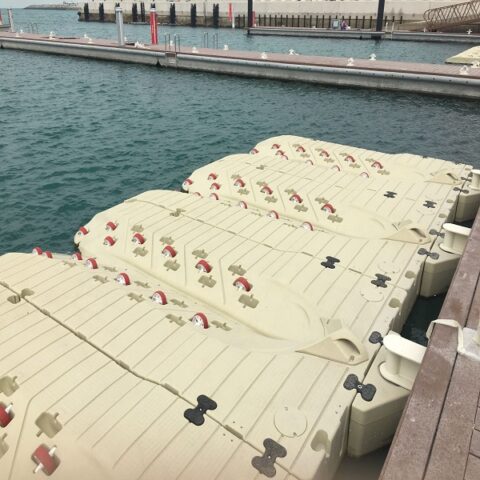
A boat ramp is a structure designed to provide a gradual incline into a body of water, typically a river, lake, or ocean, to facilitate the launching and retrieval of boats and other watercraft. These ramps are crucial for recreational boaters, fishermen, emergency responders, and commercial vessels to access the water safely and efficiently.

Here are some benefits of boat ramps:

Boat ramps provide easy access to the water for boats of various sizes. They enable boaters to launch and retrieve their vessels without the need for specialized equipment or extensive physical effort.

Boat ramps are constructed with safety in mind, featuring gradual slopes and non-slip surfaces to prevent accidents and injuries during the launching and retrieval process. Properly designed ramps help minimize the risk of slipping, falling, or damaging the boat or vehicle.

Boat ramps offer convenience to boaters by providing a designated area for launching and retrieving watercraft. They eliminate the need to navigate through shallow or rocky areas along the shoreline, saving time and effort.

Boat ramps accommodate a wide range of watercraft, including motorboats, sailboats, kayaks, canoes, jet skis, and fishing boats. They are designed to accommodate different types and sizes of vessels, ensuring accessibility for various recreational and commercial activities.

By providing a smooth transition from land to water, boat ramps streamline the launching and retrieval process, allowing boaters to enter and exit the water quickly and efficiently. This efficiency is particularly beneficial during peak boating seasons or in busy waterways.

Many boat ramps are located in public parks, marinas, or recreational areas, providing public access to the water for residents and visitors alike. These facilities promote outdoor recreation, water-based activities, and community engagement.

Boat ramps contribute to the local economy by supporting recreational boating, fishing, tourism, and related industries. They attract boaters and water enthusiasts to the area, leading to increased spending on boat rentals, equipment, supplies, and services.

Overall, boat ramps play a vital role in enhancing water access, safety, and enjoyment for boaters and water enthusiasts. Whether for leisure or commercial purposes, these facilities are essential infrastructure components in waterfront communities worldwide.

What is the function of a boat ramp?

The primary function of a boat ramp is to provide a safe and convenient access point for launching and retrieving boats and other watercraft into and out of a body of water. Here’s a breakdown of its functions:

Boat ramps allow boaters to safely and efficiently launch their vessels into the water. The gradual incline of the ramp provides a smooth transition from land to water, making it easier to maneuver and launch boats of various sizes.

Similarly, boat ramps facilitate the retrieval of boats from the water back onto land. Boaters can navigate their vessels onto the ramp, where they can be safely pulled out of the water using a trailer or other means.

Boat ramps enhance accessibility to the water for boaters of all skill levels. They provide a designated area where boats can be launched and retrieved without the need to navigate through shallow or rocky areas along the shoreline.

Boat ramps are designed with safety features to minimize the risk of accidents and injuries during the launching and retrieval process. Non-slip surfaces, proper lighting, and signage help ensure safe operation, especially during low-light conditions or inclement weather.

Boat ramps accommodate a wide range of watercraft, including motorboats, sailboats, kayaks, canoes, jet skis, and fishing boats. They are designed to accommodate different types and sizes of vessels, making them suitable for various recreational and commercial activities.

By providing a designated area for boat launching and retrieval, boat ramps streamline the process, allowing boaters to enter and exit the water quickly and efficiently. This efficiency is particularly beneficial during peak boating seasons or in busy waterways.

Many boat ramps are located in public parks, marinas, or recreational areas, providing public access to the water for residents and visitors alike. These facilities promote outdoor recreation, water-based activities, and community engagement.

Overall, boat ramps serve as essential infrastructure for waterfront communities, facilitating recreational boating, fishing, tourism, and related activities while promoting safety, accessibility, and enjoyment on the water.

Baggage Carts

Baggage carts, also known as luggage carts, luggage trolleys, or baggage trolleys, are wheeled carts designed for transporting luggage, bags, or other items in airports, train stations, bus terminals, hotels, and other transportation hubs or facilities. They typically consist of a frame with wheels and a handle for pushing or pulling.

Here are some key features and functions of baggage carts:

1. Convenience: Baggage carts provide travelers with a convenient means of transporting their luggage, especially when navigating large airports or terminals. Instead of carrying heavy bags over long distances, travelers can load their luggage onto a cart and push or pull it with ease.

2. Capacity: Baggage carts come in various sizes and configurations to accommodate different amounts of luggage. Some carts are designed for single bags or small loads, while others feature larger platforms or multiple tiers for carrying multiple bags or bulky items.

3. Wheels: Baggage carts are equipped with wheels that allow for smooth and effortless movement, even when carrying heavy loads. The wheels may be swivel or fixed, depending on the design of the cart, to provide maneuverability and stability.

4. Handles: Most baggage carts feature handles that allow users to push or pull the cart comfortably. Handles may be adjustable in height to accommodate users of different heights or preferences.

5. Availability: Baggage carts are typically available for rent or use in transportation hubs such as airports and train stations. They are often found near baggage claim areas, check-in counters, or entrances to terminal buildings for easy access by travelers.

6. Return: In many facilities, baggage carts require a deposit or payment to use, which is refunded or returned when the cart is returned to a designated area or docking station. This helps ensure the availability of carts for other travelers and encourages users to return them after use.

Overall, baggage carts provide a practical solution for transporting luggage and belongings in busy transportation hubs, offering convenience, efficiency, and ease of use for travelers of all ages and abilities.


otelyx

Magnifying Mirror

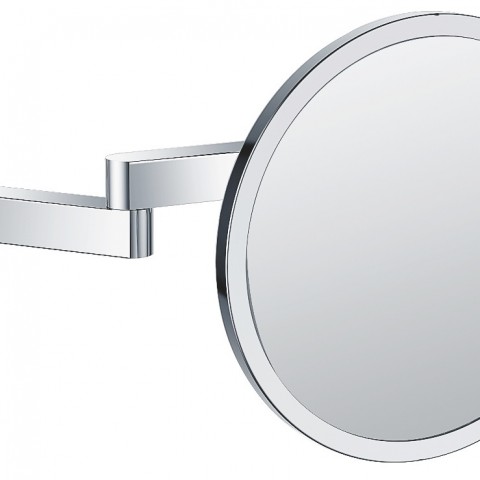
A magnifying mirror, also known as a makeup mirror or magnification mirror, is a type of mirror that features a magnifying glass to enlarge the reflection of the viewer’s face. These mirrors are designed to provide a close-up view of the skin, allowing for detailed grooming tasks such as applying makeup, tweezing eyebrows, or shaving.

Magnifying mirrors come in various sizes and magnification levels, ranging from 2x (twice the actual size) to as high as 15x or more. They are often used in bathrooms, bedrooms, or dressing areas where individuals can easily access them while getting ready.

Some common features of magnifying mirrors include:

1. Magnification: The level of magnification determines how much the reflection is enlarged. Higher magnification levels provide a closer and more detailed view but may also distort the image slightly.

2. Lighting: Many magnifying mirrors come with built-in lighting, such as LED lights, to enhance visibility, especially in dimly lit environments. Adjustable lighting options allow users to customize the brightness according to their preferences.

3. Size and Shape: Magnifying mirrors come in various shapes and sizes, including round, oval, rectangular, or even compact travel-sized versions. The choice of size and shape depends on personal preference and available space.

4. Mounting Options: Magnifying mirrors may be freestanding, wall-mounted, or designed to attach to an existing mirror or vanity. Wall-mounted mirrors are popular for bathrooms and dressing areas, while freestanding mirrors offer portability and flexibility.

Overall, magnifying mirrors are practical tools for personal grooming and skincare routines, providing a detailed and close-up view of the face to facilitate precise makeup application, skincare treatments, and grooming tasks.

Magnifying mirrors offer several benefits for personal grooming, skincare routines, and other tasks:

1. Enhanced Visibility: The primary benefit of a magnifying mirror is that it provides a close-up view of the skin, allowing for precise grooming tasks such as applying makeup, tweezing eyebrows, or shaving. The magnification helps individuals see small details and imperfections more clearly, facilitating better results.

2. Detailed Makeup Application: Magnifying mirrors are invaluable tools for applying makeup with precision. The enlarged reflection allows users to see intricate details of their facial features, ensuring even application of foundation, eyeshadow, eyeliner, and other cosmetics.

3. Better Skincare: Magnifying mirrors can aid in skincare routines by enabling individuals to examine their skin more closely. They can identify areas of concern such as blemishes, blackheads, or fine lines, allowing for targeted skincare treatments and better overall skincare management.

4. Grooming Accuracy: Whether it’s shaping eyebrows, removing unwanted facial hair, or trimming beard and mustache, magnifying mirrors help individuals achieve precise grooming results. The close-up view provided by the magnification ensures that grooming tasks are performed accurately and effectively.

5.  Assistance for Vision Impairment: For individuals with visual impairments or difficulty seeing small details, magnifying mirrors can be particularly helpful. The increased magnification makes it easier to see and perform grooming tasks independently, enhancing their sense of autonomy and confidence.

6. Convenience: Magnifying mirrors are available in various sizes and styles, including freestanding, wall-mounted, and portable designs. This versatility allows users to choose the most convenient option for their needs, whether it’s for home use, travel, or professional purposes.

7. Prevention of Over-Plucking: For individuals who tweeze their eyebrows, a magnifying mirror can prevent over-plucking by providing a clear view of the hair follicles. This helps maintain the natural shape of the eyebrows and prevents accidental removal of too much hair.

Overall, magnifying mirrors offer numerous benefits for personal grooming, makeup application, skincare, and grooming tasks, making them essential tools for individuals who value precision and attention to detail in their daily routines.


otelyx

Scullery Equipments

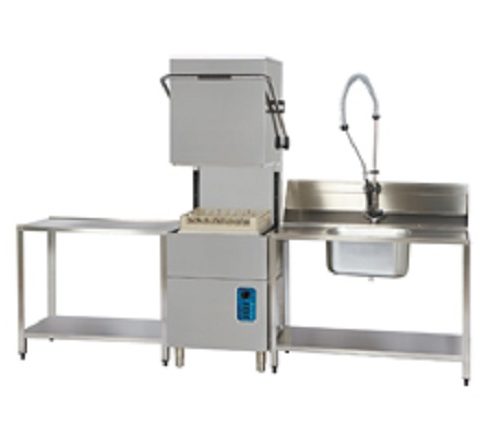
Scullery equipment refers to the various tools, utensils, and appliances used in a scullery, which is a room traditionally found in a house or establishment where dishes, pots, and other cooking utensils are cleaned and stored. Common scullery equipment includes:

1. Sinks: Typically, sculleries have one or more sinks for washing dishes, pots, and utensils.
2. Dishwasher: In modern sculleries, dishwashers are often used to automate the cleaning process.
3. Drying Racks: These are used to air dry washed dishes and utensils.
4. Scrub Brushes and Sponges: For hand washing dishes and utensils.
5. Detergents and Cleaning Agents: Various cleaning agents are used for washing dishes.
6. Towels and Dish Cloths: Used for drying dishes and wiping down surfaces.
7. Storage Shelves and Cabinets: To store clean dishes, pots, and utensils.
8. Trash Bins: For disposing of food waste and other rubbish.
9. Drainage System: Proper drainage systems are essential for removing wastewater.
10. Gloves and Aprons: To protect the hands and clothing of those working in the scullery.

These are just some examples, and the specific equipment found in a scullery can vary depending on factors such as the size of the establishment and the level of automation.

Scullery equipment offers several benefits, making kitchen tasks more efficient, hygienic, and organized:
Scullery equipment such as dishwashers and sinks streamline the process of cleaning dishes and utensils, saving time and effort for kitchen staff. This efficiency is especially valuable in commercial kitchens where large volumes of dishes need to be cleaned quickly.

Properly cleaned dishes and utensils are essential for maintaining food safety and preventing the spread of germs and bacteria. Scullery equipment ensures thorough cleaning and sanitization, reducing the risk of foodborne illnesses.

Storage shelves, cabinets, and racks help keep dishes, pots, and utensils neatly organized, making it easier for kitchen staff to locate items when needed. This organizational system also contributes to a more efficient workflow in the kitchen.

Scullery equipment is designed to make the most of available space, whether it’s through compact dishwashers or stackable storage solutions. This helps maximize the use of kitchen space, especially in smaller establishments where space may be limited.

While there is an initial investment in purchasing scullery equipment, the long-term cost savings can be significant. By automating dishwashing and optimizing kitchen processes, establishments can reduce labor costs and minimize water and detergent usage.

Well-designed scullery equipment can contribute to a more comfortable and safer working environment for kitchen staff. For example, ergonomic sinks and dishwashing stations can help prevent strain and injuries associated with repetitive tasks. Clean dishes and utensils are essential for a positive dining experience. Scullery equipment ensures that dishes are thoroughly cleaned and sanitized, contributing to customer satisfaction and loyalty.

Overall, scullery equipment plays a crucial role in maintaining cleanliness, efficiency, and organization in commercial kitchens and household settings alike.

Cocktail High Table

A cocktail high table, sometimes simply called a cocktail table or high table, is a tall table designed for standing rather than sitting. It typically stands at about the height of a bar or countertop, which is higher than a standard dining table. These tables are commonly used in bars, lounges, and event spaces for serving drinks and providing a place for guests to socialize while standing.

Cocktail high tables come in various shapes and sizes, but they usually have a relatively small surface area compared to dining tables. This encourages guests to gather closely together, fostering a more intimate and social atmosphere. They are often accompanied by bar stools or tall chairs to provide seating options for guests who prefer not to stand for extended periods.

Overall, cocktail high tables are versatile pieces of furniture that are well-suited for casual gatherings, networking events, and other social occasions where people can enjoy drinks and conversation in a relaxed setting.

Cocktail high tables offer several benefits for social gatherings, events, and venues:

The standing height of cocktail high tables encourages guests to mingle and interact more freely compared to sitting at traditional dining tables. This can foster a lively and dynamic atmosphere, perfect for networking events, receptions, or casual gatherings.

Cocktail high tables typically have a smaller footprint than standard dining tables, making them ideal for venues with limited space. They can accommodate more guests in a given area while still providing ample room for socializing.

These tables are versatile and can be used for a variety of purposes, including serving drinks, appetizers, or even as a display area for decorative items or promotional materials. They can also be easily rearranged to accommodate different seating arrangements or event layouts.

While cocktail high tables are primarily designed for standing, they often come with bar stools or tall chairs that provide guests with the option to sit if they prefer. This flexibility ensures that guests can socialize comfortably for extended periods without feeling confined to a seat.

The elevated height of cocktail high tables can create a more visually appealing and dynamic atmosphere compared to standard seating arrangements. They add depth and dimension to the space, making it feel more vibrant and inviting. By encouraging guests to stand and move around, cocktail high tables can help facilitate the flow of traffic throughout the venue. This prevents congestion and ensures that guests can easily navigate the space without feeling cramped or confined to one area.

Overall, cocktail high tables are a practical and stylish option for enhancing social gatherings, events, and venues by promoting interaction, maximizing space, and creating a welcoming atmosphere for guests.

What is the height of a cocktail table?

The height of a cocktail table, also known as a high table or a pub table, typically ranges from 40 to 42 inches (about 102 to 107 centimeters). This height is taller than standard dining tables, which usually range from 28 to 30 inches (about 71 to 76 centimeters) in height. The taller height of cocktail tables is designed to accommodate standing guests comfortably, allowing them to socialize, enjoy drinks, and mingle without needing to sit down.


otelyx

Sink and Processing Table

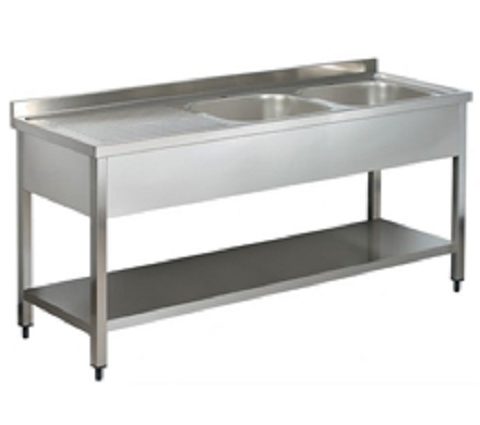
This setup is commonly found in commercial kitchens, such as restaurants, catering facilities, or large-scale food preparation areas. It provides a convenient and efficient space for chefs and kitchen staff to both clean and process ingredients for cooking.

The sink allows for easy washing of fruits, vegetables, and utensils, while the adjacent table provides a dedicated space for cutting, chopping, and other food preparation tasks. This arrangement optimizes workflow and hygiene practices in a busy kitchen environment.

The Sink and Processing Table setup in a kitchen offers several benefits:

1.Efficient Workflow: Combining the sink and processing table streamlines the kitchen workflow. Chefs and kitchen staff can seamlessly move between washing and preparing food without having to navigate between separate areas, saving time and effort.

2.Space Optimization: In kitchens where space is limited, integrating the sink with the processing table maximizes the available area. This compact design ensures that the kitchen layout is efficient and functional, even in smaller or crowded spaces.

3.Hygiene and Sanitation: Having the sink adjacent to the processing table promotes good hygiene practices. Chefs can quickly wash fruits, vegetables, and utensils before using the same surface for food preparation, reducing the risk of cross-contamination and ensuring food safety standards are met.

4.Convenience: The Sink and Processing Table setup offers convenience for kitchen staff by providing all necessary functions in one designated area. This arrangement minimizes unnecessary movement around the kitchen, making it easier to maintain organization and cleanliness.

5.Versatility: The processing table can serve multiple purposes beyond food preparation. It can also function as a staging area for ingredients, a space for plating dishes, or even a workstation for other kitchen tasks, depending on the specific needs of the kitchen.

Overall, the Sink and Processing Table configuration enhances kitchen efficiency, hygiene, and convenience, making it a practical choice for commercial kitchens of all sizes.