Author - webtrolive webtrolive

otelyx

Magnifying Mirror

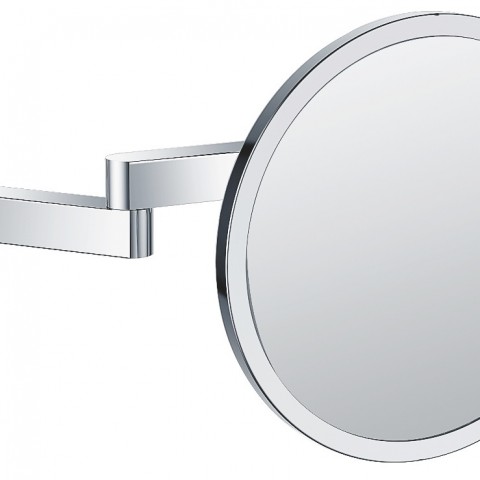
A magnifying mirror, also known as a makeup mirror or magnification mirror, is a type of mirror that features a magnifying glass to enlarge the reflection of the viewer’s face. These mirrors are designed to provide a close-up view of the skin, allowing for detailed grooming tasks such as applying makeup, tweezing eyebrows, or shaving.

Magnifying mirrors come in various sizes and magnification levels, ranging from 2x (twice the actual size) to as high as 15x or more. They are often used in bathrooms, bedrooms, or dressing areas where individuals can easily access them while getting ready.

Some common features of magnifying mirrors include:

1. Magnification: The level of magnification determines how much the reflection is enlarged. Higher magnification levels provide a closer and more detailed view but may also distort the image slightly.

2. Lighting: Many magnifying mirrors come with built-in lighting, such as LED lights, to enhance visibility, especially in dimly lit environments. Adjustable lighting options allow users to customize the brightness according to their preferences.

3. Size and Shape: Magnifying mirrors come in various shapes and sizes, including round, oval, rectangular, or even compact travel-sized versions. The choice of size and shape depends on personal preference and available space.

4. Mounting Options: Magnifying mirrors may be freestanding, wall-mounted, or designed to attach to an existing mirror or vanity. Wall-mounted mirrors are popular for bathrooms and dressing areas, while freestanding mirrors offer portability and flexibility.

Overall, magnifying mirrors are practical tools for personal grooming and skincare routines, providing a detailed and close-up view of the face to facilitate precise makeup application, skincare treatments, and grooming tasks.

Magnifying mirrors offer several benefits for personal grooming, skincare routines, and other tasks:

1. Enhanced Visibility: The primary benefit of a magnifying mirror is that it provides a close-up view of the skin, allowing for precise grooming tasks such as applying makeup, tweezing eyebrows, or shaving. The magnification helps individuals see small details and imperfections more clearly, facilitating better results.

2. Detailed Makeup Application: Magnifying mirrors are invaluable tools for applying makeup with precision. The enlarged reflection allows users to see intricate details of their facial features, ensuring even application of foundation, eyeshadow, eyeliner, and other cosmetics.

3. Better Skincare: Magnifying mirrors can aid in skincare routines by enabling individuals to examine their skin more closely. They can identify areas of concern such as blemishes, blackheads, or fine lines, allowing for targeted skincare treatments and better overall skincare management.

4. Grooming Accuracy: Whether it’s shaping eyebrows, removing unwanted facial hair, or trimming beard and mustache, magnifying mirrors help individuals achieve precise grooming results. The close-up view provided by the magnification ensures that grooming tasks are performed accurately and effectively.

5.  Assistance for Vision Impairment: For individuals with visual impairments or difficulty seeing small details, magnifying mirrors can be particularly helpful. The increased magnification makes it easier to see and perform grooming tasks independently, enhancing their sense of autonomy and confidence.

6. Convenience: Magnifying mirrors are available in various sizes and styles, including freestanding, wall-mounted, and portable designs. This versatility allows users to choose the most convenient option for their needs, whether it’s for home use, travel, or professional purposes.

7. Prevention of Over-Plucking: For individuals who tweeze their eyebrows, a magnifying mirror can prevent over-plucking by providing a clear view of the hair follicles. This helps maintain the natural shape of the eyebrows and prevents accidental removal of too much hair.

Overall, magnifying mirrors offer numerous benefits for personal grooming, makeup application, skincare, and grooming tasks, making them essential tools for individuals who value precision and attention to detail in their daily routines.
 

otelyx

Scullery Equipments

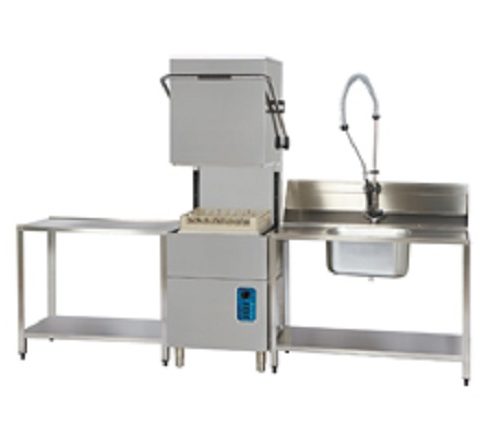
Scullery equipment refers to the various tools, utensils, and appliances used in a scullery, which is a room traditionally found in a house or establishment where dishes, pots, and other cooking utensils are cleaned and stored. Common scullery equipment includes:

1. Sinks: Typically, sculleries have one or more sinks for washing dishes, pots, and utensils.
2. Dishwasher: In modern sculleries, dishwashers are often used to automate the cleaning process.
3. Drying Racks: These are used to air dry washed dishes and utensils.
4. Scrub Brushes and Sponges: For hand washing dishes and utensils.
5. Detergents and Cleaning Agents: Various cleaning agents are used for washing dishes.
6. Towels and Dish Cloths: Used for drying dishes and wiping down surfaces.
7. Storage Shelves and Cabinets: To store clean dishes, pots, and utensils.
8. Trash Bins: For disposing of food waste and other rubbish.
9. Drainage System: Proper drainage systems are essential for removing wastewater.
10. Gloves and Aprons: To protect the hands and clothing of those working in the scullery.

These are just some examples, and the specific equipment found in a scullery can vary depending on factors such as the size of the establishment and the level of automation.

Scullery equipment offers several benefits, making kitchen tasks more efficient, hygienic, and organized:
Scullery equipment such as dishwashers and sinks streamline the process of cleaning dishes and utensils, saving time and effort for kitchen staff. This efficiency is especially valuable in commercial kitchens where large volumes of dishes need to be cleaned quickly.

Properly cleaned dishes and utensils are essential for maintaining food safety and preventing the spread of germs and bacteria. Scullery equipment ensures thorough cleaning and sanitization, reducing the risk of foodborne illnesses.

Storage shelves, cabinets, and racks help keep dishes, pots, and utensils neatly organized, making it easier for kitchen staff to locate items when needed. This organizational system also contributes to a more efficient workflow in the kitchen.

Scullery equipment is designed to make the most of available space, whether it’s through compact dishwashers or stackable storage solutions. This helps maximize the use of kitchen space, especially in smaller establishments where space may be limited.

While there is an initial investment in purchasing scullery equipment, the long-term cost savings can be significant. By automating dishwashing and optimizing kitchen processes, establishments can reduce labor costs and minimize water and detergent usage.

Well-designed scullery equipment can contribute to a more comfortable and safer working environment for kitchen staff. For example, ergonomic sinks and dishwashing stations can help prevent strain and injuries associated with repetitive tasks. Clean dishes and utensils are essential for a positive dining experience. Scullery equipment ensures that dishes are thoroughly cleaned and sanitized, contributing to customer satisfaction and loyalty.

Overall, scullery equipment plays a crucial role in maintaining cleanliness, efficiency, and organization in commercial kitchens and household settings alike.

Cocktail High Table

A cocktail high table, sometimes simply called a cocktail table or high table, is a tall table designed for standing rather than sitting. It typically stands at about the height of a bar or countertop, which is higher than a standard dining table. These tables are commonly used in bars, lounges, and event spaces for serving drinks and providing a place for guests to socialize while standing.

Cocktail high tables come in various shapes and sizes, but they usually have a relatively small surface area compared to dining tables. This encourages guests to gather closely together, fostering a more intimate and social atmosphere. They are often accompanied by bar stools or tall chairs to provide seating options for guests who prefer not to stand for extended periods.

Overall, cocktail high tables are versatile pieces of furniture that are well-suited for casual gatherings, networking events, and other social occasions where people can enjoy drinks and conversation in a relaxed setting.

Cocktail high tables offer several benefits for social gatherings, events, and venues:

The standing height of cocktail high tables encourages guests to mingle and interact more freely compared to sitting at traditional dining tables. This can foster a lively and dynamic atmosphere, perfect for networking events, receptions, or casual gatherings.

Cocktail high tables typically have a smaller footprint than standard dining tables, making them ideal for venues with limited space. They can accommodate more guests in a given area while still providing ample room for socializing.

These tables are versatile and can be used for a variety of purposes, including serving drinks, appetizers, or even as a display area for decorative items or promotional materials. They can also be easily rearranged to accommodate different seating arrangements or event layouts.

While cocktail high tables are primarily designed for standing, they often come with bar stools or tall chairs that provide guests with the option to sit if they prefer. This flexibility ensures that guests can socialize comfortably for extended periods without feeling confined to a seat.

The elevated height of cocktail high tables can create a more visually appealing and dynamic atmosphere compared to standard seating arrangements. They add depth and dimension to the space, making it feel more vibrant and inviting. By encouraging guests to stand and move around, cocktail high tables can help facilitate the flow of traffic throughout the venue. This prevents congestion and ensures that guests can easily navigate the space without feeling cramped or confined to one area.

Overall, cocktail high tables are a practical and stylish option for enhancing social gatherings, events, and venues by promoting interaction, maximizing space, and creating a welcoming atmosphere for guests.

What is the height of a cocktail table?

The height of a cocktail table, also known as a high table or a pub table, typically ranges from 40 to 42 inches (about 102 to 107 centimeters). This height is taller than standard dining tables, which usually range from 28 to 30 inches (about 71 to 76 centimeters) in height. The taller height of cocktail tables is designed to accommodate standing guests comfortably, allowing them to socialize, enjoy drinks, and mingle without needing to sit down.


otelyx

Sink and Processing Table

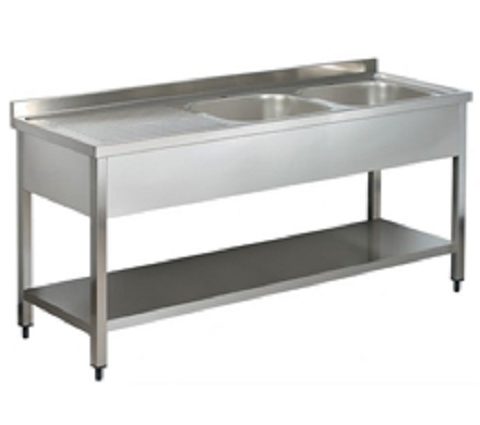
This setup is commonly found in commercial kitchens, such as restaurants, catering facilities, or large-scale food preparation areas. It provides a convenient and efficient space for chefs and kitchen staff to both clean and process ingredients for cooking.

The sink allows for easy washing of fruits, vegetables, and utensils, while the adjacent table provides a dedicated space for cutting, chopping, and other food preparation tasks. This arrangement optimizes workflow and hygiene practices in a busy kitchen environment.

The Sink and Processing Table setup in a kitchen offers several benefits:

1.Efficient Workflow: Combining the sink and processing table streamlines the kitchen workflow. Chefs and kitchen staff can seamlessly move between washing and preparing food without having to navigate between separate areas, saving time and effort.

2.Space Optimization: In kitchens where space is limited, integrating the sink with the processing table maximizes the available area. This compact design ensures that the kitchen layout is efficient and functional, even in smaller or crowded spaces.

3.Hygiene and Sanitation: Having the sink adjacent to the processing table promotes good hygiene practices. Chefs can quickly wash fruits, vegetables, and utensils before using the same surface for food preparation, reducing the risk of cross-contamination and ensuring food safety standards are met.

4.Convenience: The Sink and Processing Table setup offers convenience for kitchen staff by providing all necessary functions in one designated area. This arrangement minimizes unnecessary movement around the kitchen, making it easier to maintain organization and cleanliness.

5.Versatility: The processing table can serve multiple purposes beyond food preparation. It can also function as a staging area for ingredients, a space for plating dishes, or even a workstation for other kitchen tasks, depending on the specific needs of the kitchen.

Overall, the Sink and Processing Table configuration enhances kitchen efficiency, hygiene, and convenience, making it a practical choice for commercial kitchens of all sizes.

otelyx

Hotel Amenities Manufacturer

If you’re looking for a manufacturer of hotel amenities, there are several options available globally. Here are a few well-known manufacturers that provide a wide range of hotel amenities:

Gilchrist & Soames: A leading supplier of luxury hotel toiletries and amenities, Gilchrist & Soames offers high-quality products ranging from bath and body care to grooming essentials and accessories.

Molton Brown: Known for its premium bath, body, and grooming products, Molton Brown offers a range of luxury amenities suitable for upscale hotels and resorts.

Peter Thomas Roth: Specializing in skincare and grooming products, Peter Thomas Roth provides hotel amenities featuring innovative formulations and high-quality ingredients.

William Roam: A sustainable and eco-friendly option, William Roam offers hotel amenities made with natural and organic ingredients, packaged in environmentally friendly materials.

Amenity Kit: This company specializes in customizable hotel amenities, allowing hotels to create personalized amenity kits tailored to their brand and guests’ preferences.

Concept Amenities: Concept Amenities provides a wide range of hotel toiletries and amenities, including bath and body care products, grooming kits, and accessories, with a focus on quality and sustainability.

When choosing a hotel amenities manufacturer, consider factors such as product quality, brand reputation, customization options, eco-friendliness, and budget. Many manufacturers offer customizable options to tailor amenities to your hotel’s brand identity and guest demographic. Additionally, inquire about minimum order quantities, lead times, and shipping options to ensure a smooth procurement process.

What is the use of amenities and facilities?

Amenities and facilities serve various purposes depending on the context, whether it’s in a residential setting, hospitality industry, commercial space, or recreational facility. Here are some common uses and benefits of amenities and facilities:

Amenities such as parks, playgrounds, community centers, and recreational facilities contribute to the overall well-being and quality of life of residents by providing spaces for leisure, socialization, and physical activity. Amenities in hotels, resorts, spas, and recreational facilities are designed to create a comfortable and enjoyable experience for guests. Features like pools, spas, fitness centers, and entertainment areas help guests relax, unwind, and enjoy their stay. Facilities such as supermarkets, pharmacies, healthcare centers, and transportation hubs provide essential services and resources that meet the basic needs of residents and visitors, enhancing convenience and accessibility.

Amenities and facilities can increase the attractiveness and value of residential and commercial properties. Well-maintained amenities like landscaped gardens, fitness centers, and security features can enhance the appeal of a property to potential buyers or tenants. Supporting social interaction**: Amenities like community centers, common areas, and gathering spaces facilitate social interaction and community engagement. They provide opportunities for residents to connect, build relationships, and participate in group activities.

Facilities such as gyms, sports fields, walking trails, and wellness centers promote physical activity, healthy lifestyles, and overall well-being. Access to these amenities encourages residents to stay active and maintain a healthy lifestyle. Businesses, hotels, and commercial properties often use amenities and facilities as selling points to attract customers, tenants, or guests. Offering desirable amenities can differentiate a property from competitors and increase occupancy rates or sales. Overall, amenities and facilities play a crucial role in enhancing the quality of life, promoting social interaction, supporting health and wellness, and adding value to residential, commercial, and recreational spaces. They contribute to creating vibrant and livable communities while meeting the diverse needs and preferences of residents, guests, and customers.

Hotel IPTV Solutions for hotels and resorts with modern hospitality technology and guest entertainment systems

Hotel guest room furniture

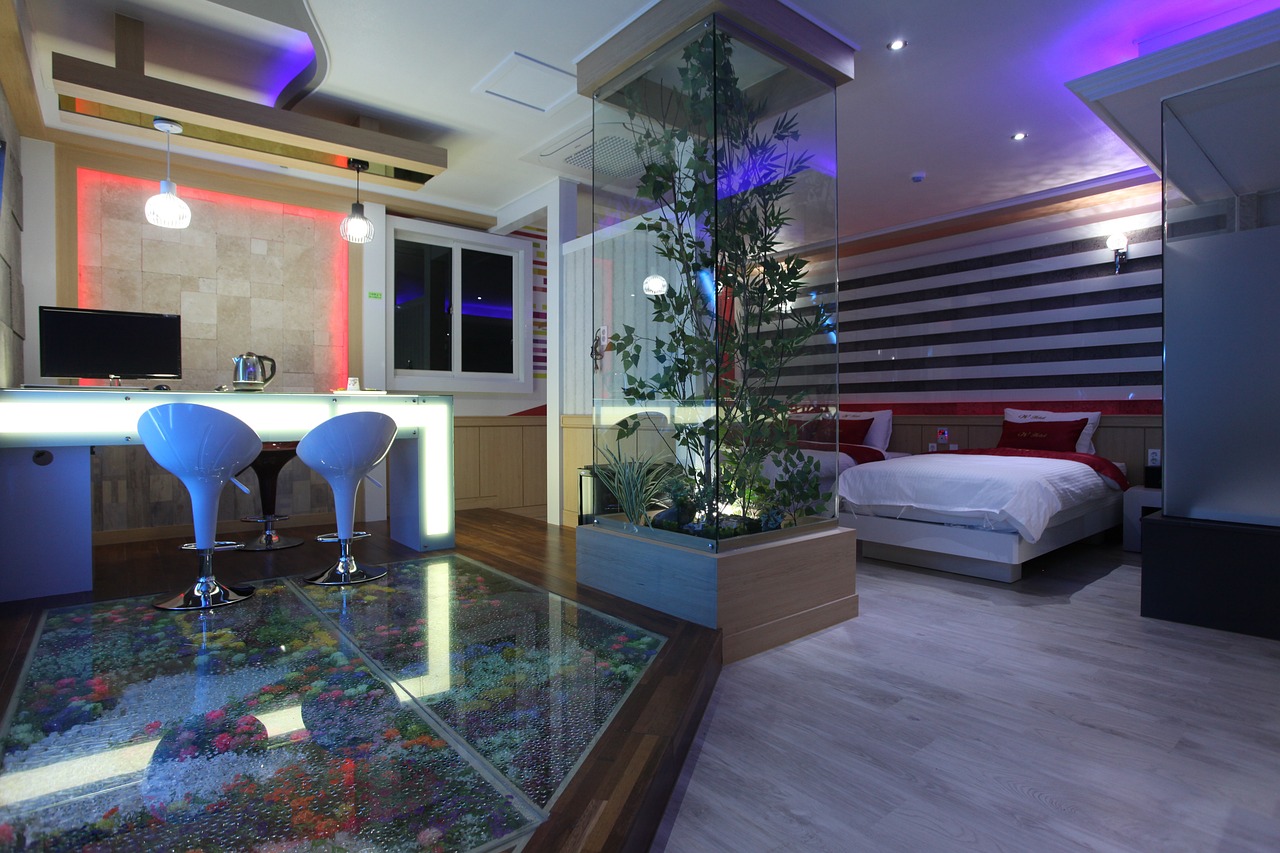
Hotel guest room furniture typically includes essential pieces designed to provide comfort, functionality, and style for guests during their stay. Common furniture items found in hotel guest rooms include:

The focal point of any hotel room, the bed is usually a queen or king-size mattress with a sturdy frame and headboard. Quality bedding, including pillows, sheets, and duvets, are also provided for a restful night’s sleep. Positioned beside the bed, nightstands offer convenient storage space for personal belongings, bedside lamps for reading, and often feature drawers or shelves. Providing storage for clothing and personal items, a dresser or wardrobe may include drawers, shelves, and hanging space for garments. Many hotel rooms feature a workspace equipped with a desk and chair, suitable for guests who need to work or use electronic devices during their stay. Depending on the size of the room, there may be a seating area with comfortable chairs or a small sofa where guests can relax, socialize, or watch television. A luggage rack provides a convenient place for guests to unpack and store their suitcases, keeping them off the floor and easily accessible. In rooms with a seating area, a coffee table may be provided for guests to place drinks, snacks, or personal items.

Full-length or wall-mounted mirrors are commonly found in hotel rooms, allowing guests to check their appearance before heading out. Hotels often decorate guest rooms with artwork, photographs, or decorative accents to enhance the ambiance and create a welcoming atmosphere. Depending on the hotel’s level of service and amenities, guest rooms may also include additional features such as mini-fridges, safes, televisions, climate control systems, and complimentary toiletries. Overall, hotel guest room furniture is selected with the guest’s comfort and convenience in mind, providing a relaxing and enjoyable experience during their stay.

The benefits of hotel guest room furniture extend beyond mere functionality to enhance the overall guest experience and satisfaction. Here are several benefits:

Hotel guest room furniture is designed to provide comfort to guests during their stay, ensuring they have a relaxing and enjoyable experience. Comfortable beds, plush seating, and ergonomic desks and chairs contribute to a restful environment. Each piece of furniture in a hotel guest room serves a specific purpose, from providing storage for personal belongings to offering a workspace for business travelers. The functionality of hotel furniture enhances convenience and usability for guests.

Well-chosen furniture pieces contribute to the overall aesthetic appeal of a hotel room, creating a welcoming and visually pleasing environment for guests. Thoughtfully selected furniture enhances the ambiance and reflects the hotel’s style and branding. Hotel furniture is typically constructed with durable materials and designed to withstand frequent use and wear. High-quality construction ensures that furniture remains in good condition over time, reducing the need for frequent replacements and maintenance.

Hotel guest room furniture is often designed with space optimization in mind, especially in smaller rooms or boutique hotels. Multi-functional pieces, such as convertible sofa beds or foldable desks, help maximize space and accommodate the needs of diverse guests. The quality and design of hotel guest room furniture contribute to the overall brand image and reputation of the hotel. Well-appointed rooms with stylish and comfortable furniture leave a positive impression on guests, leading to increased satisfaction and loyalty.

Hotels may have the flexibility to customize guest room furniture to align with their brand identity and target demographic. Customized furniture allows hotels to create unique and memorable guest experiences that set them apart from competitors. Ultimately, the primary benefit of hotel guest room furniture is to enhance guest satisfaction and loyalty. Comfortable, functional, and aesthetically pleasing furniture contributes to a positive guest experience, leading to repeat business, positive reviews, and referrals. Overall, hotel guest room furniture plays a crucial role in shaping the guest experience, providing comfort, functionality, aesthetics, and durability that contribute to a memorable stay.

How to choose furniture for hotel?

Choosing furniture for a hotel requires careful consideration to ensure that it meets the needs of guests, aligns with the hotel’s brand and aesthetic, and offers value in terms of durability and cost-effectiveness. Here are some steps to guide you through the process of choosing furniture for a hotel:

Consider the overall design theme, ambiance, and target demographic of your hotel. Whether it’s modern and minimalist, classic and elegant, or boutique and eclectic, the furniture should reflect and enhance the hotel’s unique style and brand identity. Think about the needs and preferences of your target guests. Are they primarily business travelers, families, couples, or leisure tourists? Consider factors such as comfort, functionality, space optimization, and accessibility when selecting furniture pieces. Determine the budget allocated for purchasing furniture and furnishings for your hotel. Establishing a clear budget will help you prioritize spending and make informed decisions about which furniture items to prioritize. Invest in high-quality furniture that is built to withstand the rigors of daily use in a hospitality environment. Look for furniture made from durable materials such as hardwood, metal, or commercial-grade upholstery fabrics that can withstand wear and tear over time.

Comfort is paramount for guest satisfaction. Choose furniture pieces that offer ergonomic design features and provide optimal comfort for guests, whether they’re sitting, sleeping, or working. In smaller hotel rooms or compact common areas, space optimization is crucial. Choose furniture pieces that are scaled appropriately to the size of the room and offer multi-functional or space-saving design elements to maximize usable space. Choose furniture items that can be easily reconfigured or adapted to accommodate different guest needs and preferences. Versatile pieces such as modular seating, convertible sofa beds, and adjustable-height tables offer flexibility and functionality.

Verify that the furniture meets safety and regulatory standards, particularly for fire safety, flammability, and accessibility requirements. Compliance with industry standards ensures the safety and well-being of guests and staff. Choose furniture suppliers that prioritize sustainable and eco-friendly manufacturing practices, materials, and certifications. Sustainable furniture options contribute to environmental conservation and demonstrate a commitment to corporate social responsibility. Before making a large purchase, test and evaluate furniture samples to assess their quality, comfort, and suitability for your hotel. Request fabric swatches, product specifications, and warranty information from suppliers to make informed decisions. By following these steps and carefully considering factors such as style, guest needs, budget, quality, and sustainability, you can choose furniture that enhances the guest experience and contributes to the success of your hotel.

otelyx

Top Hotel Lobby Furniture Trends to Impress Your Guests

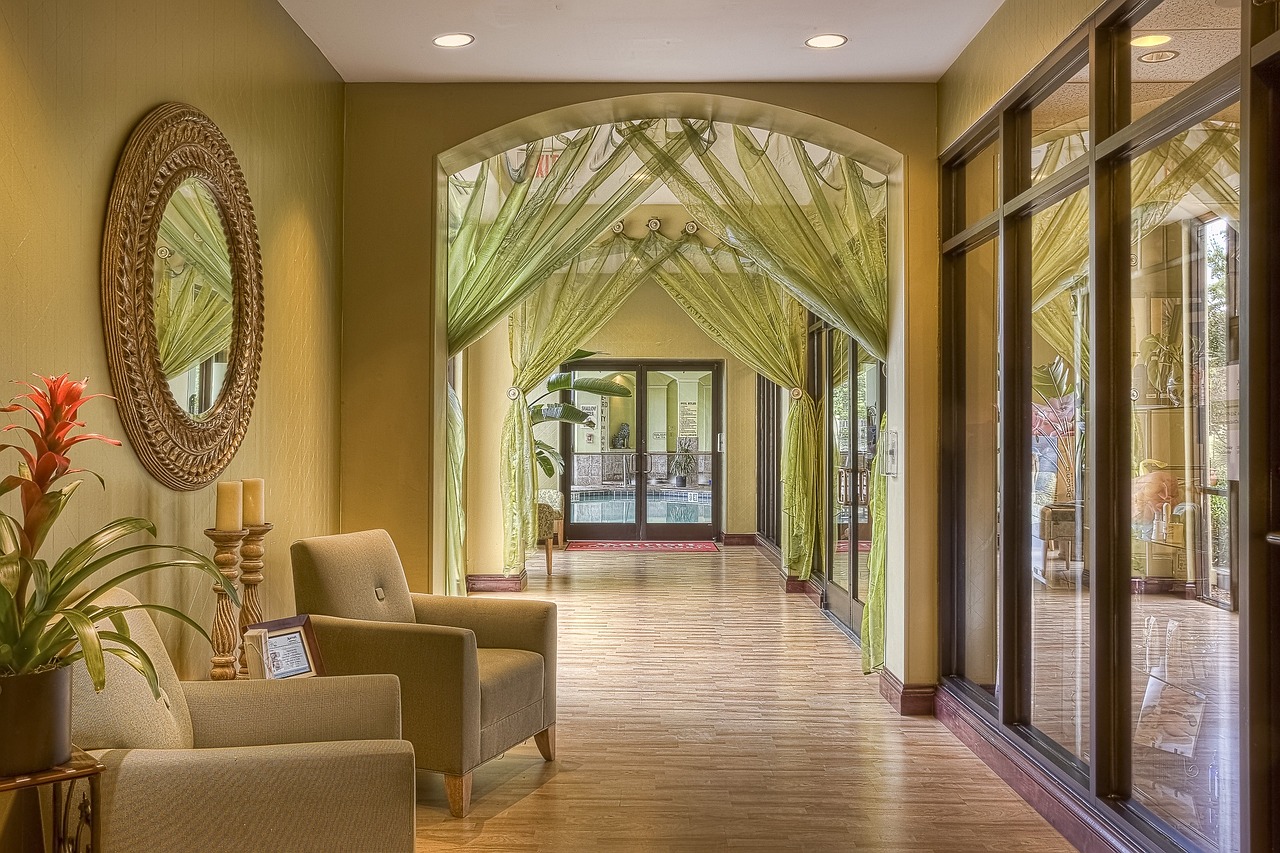
Hotel lobby furniture often aims to create a welcoming and comfortable atmosphere while also reflecting the style and ambiance of the hotel itself. Here are some common types of furniture you might find in a hotel lobby:

Reception Desk: The reception desk is typically the focal point of the lobby where guests check in and out. It should be functional for staff but also visually appealing and in line with the hotel’s aesthetic.

Seating Area: Comfortable seating areas with sofas, armchairs, and coffee tables are essential for guests to relax, wait for friends, or conduct informal meetings.

Console Tables: These can be placed against walls or behind sofas for decorative purposes or to hold items like lamps, magazines, or decorative pieces.

Side Tables: Placed next to chairs and sofas, side tables provide guests with a convenient place to set down drinks, books, or other personal items.

Accent Chairs: These are often used to add visual interest to the lobby and provide additional seating options.

Coffee Tables: Central to seating areas, coffee tables provide a surface for guests to place drinks or snacks.

Plants and Greenery: Adding plants or greenery can breathe life into the lobby space, making it feel more inviting and fresh.

Artwork and Decor: Art pieces, sculptures, or other decorative elements can enhance the aesthetic appeal of the lobby and reflect the hotel’s personality.

Lighting Fixtures: Well-designed lighting fixtures, such as chandeliers, wall sconces, or floor lamps, not only illuminate the space but also contribute to its ambiance.

Rugs and Carpets: Area rugs or carpets can define different areas within the lobby and add warmth and texture to the space.

The choice of furniture should consider factors such as the hotel’s overall design theme, the target demographic of guests, comfort, durability, and ease of maintenance.

Hotel lobby furniture serves several important purposes, offering a range of benefits for both guests and hotel management:

The lobby is often the first area guests encounter upon entering a hotel. Well-chosen furniture can create a positive first impression, conveying the hotel’s style, comfort, and hospitality. Comfortable seating areas allow guests to relax, socialize, or wait comfortably for check-in, meetings, or transportation. This enhances the overall guest experience and helps them feel welcome and at ease. Lobby furniture serves practical functions such as providing surfaces for guests to place their belongings, offering seating for waiting guests, and housing essential items like reception desks and information kiosks. The design and arrangement of lobby furniture contribute significantly to the atmosphere and ambiance of the hotel. Whether it’s a cozy, intimate setting with plush sofas and dim lighting or a sleek, modern space with minimalist furnishings, the furniture sets the tone for the guest experience.

The style, quality, and design of lobby furniture can reflect the hotel’s brand identity and positioning. Whether it’s a luxury boutique hotel, a trendy urban retreat, or a family-friendly resort, the furniture should align with the hotel’s image and appeal to its target demographic. Well-planned furniture layouts maximize the use of space in the lobby, ensuring efficient traffic flow and functionality without feeling overcrowded or sparse. Thoughtfully curated lobby furniture arrangements can encourage guest interaction, whether it’s through inviting seating clusters, communal tables, or interactive amenities like charging stations or touchscreen displays.

Unique or standout furniture pieces can help a hotel differentiate itself from competitors and leave a lasting impression on guests, potentially leading to positive reviews, repeat visits, and word-of-mouth referrals. High-quality lobby furniture is designed to withstand heavy use and regular maintenance, reducing the need for frequent replacements and upkeep costs. By providing a welcoming, comfortable, and visually appealing environment, lobby furniture contributes to overall guest satisfaction, potentially leading to higher ratings, positive reviews, and increased loyalty to the hotel brand.


otelyx

Top Food Service Equipment Essentials for a Thriving Kitchen in 2024

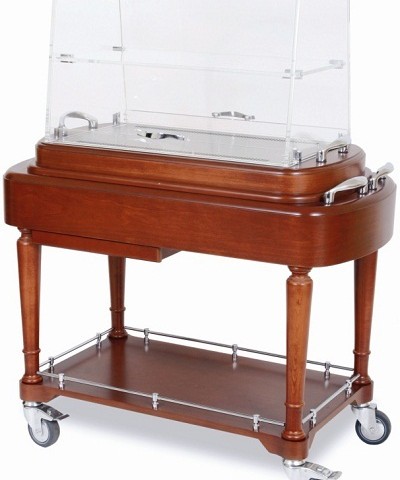
Service trolleys are essential food service equipment used for transporting and serving food and beverages in restaurants, hotels, banquet halls, and other hospitality establishments. These trolleys are designed to facilitate the efficient and elegant service of meals, drinks, and tableware to customers. Here are some common types of service trolleys:

1. Food Trolleys: These trolleys transport plated meals, appetizers, desserts, and other food items from the kitchen to the dining area. They often feature multiple shelves or compartments to hold trays or plates securely during transit.

2.Beverage Trolleys: Beverage trolleys are specifically designed to transport and serve drinks such as wine, cocktails, coffee, tea, and water. They may include compartments for bottles, glasses, ice buckets, and other beverage accessories.

3. Dessert Trolleys: These trolleys are dedicated to showcasing and serving a variety of desserts, pastries, cakes, and sweet treats to diners. They may have shelves, drawers, or trays to display the desserts attractively.

4. Room Service Trolleys: Room service trolleys are used in hotels and resorts to deliver meals, snacks, beverages, and amenities directly to guest rooms. They are equipped with compartments for food trays, dishes, cutlery, and other essentials.

5. Clearing Trolleys: Clearing trolleys collect empty dishes, used utensils, and other tableware from dining tables. They help streamline the clearing process and maintain a tidy dining environment.

6. Linen Trolleys: Linen trolleys are used to transport clean tablecloths, napkins, towels, and other linens between the laundry room and dining areas. They may feature shelves, racks, or compartments for organizing and storing linens neatly.

7.Display Trolleys: Display trolleys are used to showcase food items, beverages, or merchandise in buffet setups, food festivals, or special events. They are often designed to attractively present products and encourage customer engagement.

8. Specialty Trolleys: Some establishments may use specialty trolleys for specific purposes, such as cheese trolleys for presenting artisanal cheeses, carving trolleys for carving meats tableside, or flambe trolleys for preparing and serving flaming desserts.

Service trolleys come in a variety of sizes, materials, and designs to suit different service styles and aesthetics. They play a crucial role in enhancing the dining experience for customers by ensuring efficient, professional, and seamless service delivery.

Service trolleys offer several benefits in the food service industry:

1. Efficiency: Service trolleys streamline the process of transporting food, beverages, and tableware between the kitchen and dining area, saving time and effort for serving staff.

2. Convenience: Trolleys allow servers to carry multiple dishes, drinks, or utensils at once, reducing the need for multiple trips and minimizing disruptions to the dining experience.

3. Presentation: Trolleys can be used to present food, beverages, or merchandise in an attractive and appealing manner, enhancing the overall presentation and perceived value of the items being served.

4. Flexibility: With different types of service trolleys available, establishments can choose the appropriate trolley for their specific needs, whether it’s transporting plated meals, clearing tables, or showcasing desserts.

5. Tableside Service: Some trolleys, such as dessert or carving trolleys, enable tableside service, allowing customers to interact with servers and customize their dining experience.

6. Organization: Trolleys often come equipped with compartments, shelves, or racks for organizing food, beverages, tableware, and other essentials, helping servers stay organized and efficient during service.

7. Customer Experience: Efficient and professional service, facilitated by service trolleys, contributes to a positive dining experience for customers, leading to higher satisfaction and repeat business.

8. Safety: Trolleys are designed with stability and durability in mind, ensuring that food, beverages, and tableware can be transported safely without spills or accidents.

9. Hygiene: Trolleys with smooth, easy-to-clean surfaces promote hygiene and food safety by minimizing the risk of cross-contamination between different food items.

10. Cost Savings: By improving operational efficiency and reducing the need for additional serving staff or equipment, service trolleys can help businesses save on labor costs and increase profitability.

Overall, service trolleys play a crucial role in facilitating efficient, professional, and customer-centric service in the food service industry, contributing to enhanced dining experiences and operational excellence.

otelyx

Table Clothes

Tablecloths are such versatile items, aren’t they? They come in various materials, colors, and patterns, perfect for setting the tone for a meal or event. From casual cotton ones for everyday use to elegant linen or satin ones for formal occasions, there’s a tablecloth for every need. Plus, they’re practical too, protecting the table from spills and scratches while adding a decorative touch. Do you have a favorite type of tablecloth or a memorable table setting experience?

Tablecloths offer several benefits:

Protection: They protect the table surface from scratches, stains, and spills, preserving its appearance and extending its lifespan.

Decoration: Tablecloths add style and personality to any table setting, enhancing the overall aesthetic appeal. They come in a variety of colors, patterns, and textures to suit different occasions and preferences.

Versatility: They are versatile and can be used for various events, from casual family dinners to formal gatherings like weddings or business meetings.

Cleanliness: Tablecloths are easy to clean and maintain. Most can be machine washed or wiped clean with a damp cloth, making them a practical choice for busy households or commercial settings.

Comfort: Some materials, like cotton or linen, can add a layer of comfort for diners, providing a softer surface to rest their arms or hands on during meals.

Customization: Tablecloths can be customized with embroidery, monograms, or special designs, making them unique and personalized for specific occasions or preferences.

Acoustics: In large dining areas, tablecloths can help dampen noise, creating a more pleasant dining experience by reducing echo and sound reverberation.

Overall, tablecloths serve both functional and aesthetic purposes, making them an essential element of any dining experience.

What is the cloth used for table?

The cloth used for covering tables is typically referred to as a “tablecloth.” These cloths come in various materials, including cotton, linen, polyester, satin, and blends of these fabrics. The choice of material depends on factors such as the occasion, desired aesthetic, durability, and ease of maintenance. For example, cotton and linen tablecloths are often preferred for their natural look and feel, while polyester and satin tablecloths may be chosen for their wrinkle-resistant properties and luxurious appearance. Additionally, there are disposable tablecloths made of paper or plastic, which are convenient for one-time use or outdoor events. Overall, the type of cloth used for a tablecloth can greatly influence the ambiance and functionality of a dining setting.

Tables Clothes and Napkins For Hotel

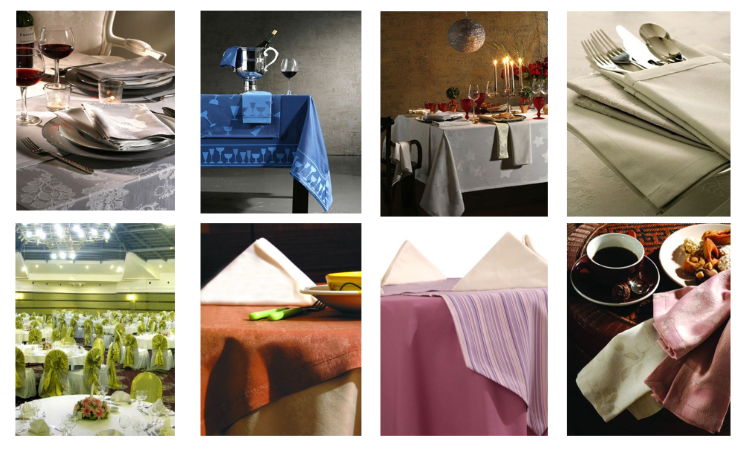
For hotels, choosing the right tablecloths and napkins is crucial for creating a welcoming and elegant dining experience. Here are some considerations and options:

Tables, cloths, and napkins are essential elements of a hotel’s dining experience, contributing to the overall ambiance and guest satisfaction. Here’s a brief overview:

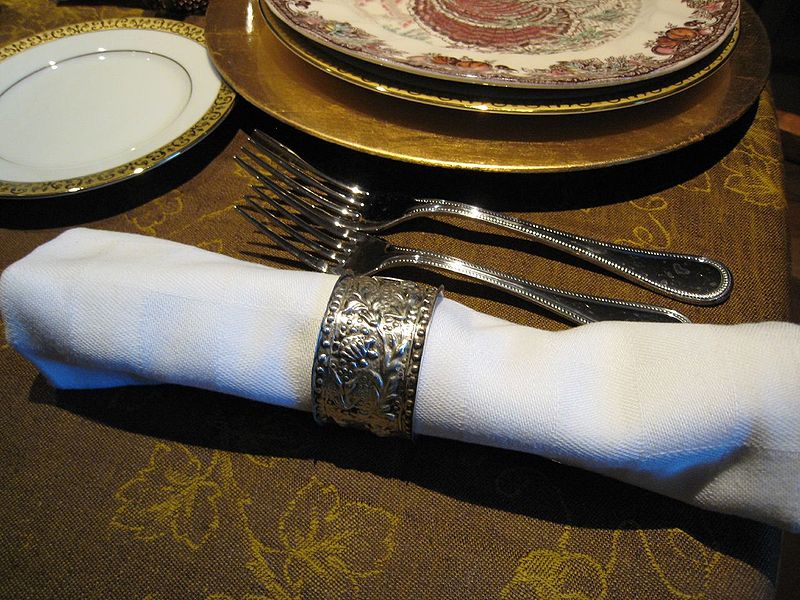
Tablecloths are used to cover dining tables, providing a clean and elegant look. They come in various sizes, materials, and designs to suit different dining setups. Common materials include cotton, polyester, and linen. Tablecloths can be plain or have patterns, and they often match the overall decor of the dining area.

Napkins are used for wiping hands and mouths during meals. Like tablecloths, they come in various materials, such as cotton, polyester, and linen. Napkins can be folded in different ways to add a decorative touch to table settings. They are typically placed either to the left of the plate or on the plate itself.

Table skirts are used to cover the sides of tables, creating a more formal and finished look. They are commonly used for buffet tables or special events. Table skirts are available in various lengths and colors to match the decor of the dining area.

Table runners are long, narrow pieces of fabric placed down the center of a table. They add color and texture to the table and can complement the tablecloth or napkins. Table runners come in various materials and designs to suit different styles.

Placemats are used to protect the table from spills and scratches and to define each guest’s dining area. They come in various materials, such as fabric, vinyl, or bamboo, and can be plain or decorative.

When selecting tables, cloths, and napkins for a hotel, consider the overall theme and ambiance of the dining area, as well as the durability and maintenance requirements of the materials.

Using quality tablecloths, napkins, and other linens in a hotel setting offers numerous benefits:

High-quality linens contribute to a luxurious and inviting atmosphere, enhancing the overall dining experience for guests. Soft, clean linens convey attention to detail and care for guests’ comfort.

Well-coordinated linens, including tablecloths, napkins, and table runners, can elevate the aesthetic appeal of the dining area. They add color, texture, and visual interest to the tables, creating an inviting ambiance that reflects the hotel’s style and brand image.

Using crisp, clean linens demonstrates professionalism and attention to detail, which can leave a positive impression on guests. It conveys a sense of sophistication and high standards in the hotel’s service.

Linens can be used strategically to reinforce the hotel’s branding and identity. Customized linens featuring the hotel’s logo or colors can help reinforce brand recognition and create a memorable dining experience for guests.

Tablecloths and napkins provide a protective barrier for dining surfaces, helping to prevent scratches, spills, and stains. This not only preserves the condition of the furniture but also maintains hygiene standards by ensuring that guests dine on clean and sanitized surfaces.

Linens offer flexibility in terms of customization and can be easily changed to suit different occasions, seasons, or themes. This allows hotels to create tailored dining experiences for special events, holidays, or corporate functions.

Hotels can opt for eco-friendly linens made from sustainable materials such as organic cotton or linen, promoting environmental responsibility and catering to eco-conscious guests.

Investing in high-quality linens ensures durability and longevity, reducing the frequency of replacement and maintenance costs over time. Durable linens withstand frequent laundering and maintain their appearance and quality through multiple uses.

Overall, investing in quality tables, cloths, and napkins for a hotel demonstrates a commitment to guest satisfaction, professionalism, and attention to detail, ultimately contributing to the hotel’s reputation and success.

What kind of cloth is used for table napkins?

Table napkins can be made from various materials, each offering different qualities and characteristics. Some common types of cloth used for table napkins include:

Cotton is a popular choice for table napkins due to its softness, durability, and absorbency. It is easy to launder and maintains its shape and texture well, even after repeated washings. Cotton napkins come in a range of weights and weaves, from lightweight and smooth to heavier and more textured.

Linen napkins are known for their luxurious feel and elegant appearance. Linen is a natural fiber made from the flax plant, renowned for its strength, durability, and ability to become softer with each wash. Linen napkins have a crisp texture and a slightly more formal look compared to cotton napkins.

Polyester napkins are a practical choice for high-traffic dining establishments or events. Polyester is a synthetic material that is durable, wrinkle-resistant, and easy to care for. Polyester napkins come in a wide range of colors and patterns and are often chosen for their affordability and longevity.

Some napkins are made from a blend of different fibers, such as cotton-polyester blends. These blends combine the softness and absorbency of cotton with the durability and wrinkle resistance of polyester, offering the benefits of both materials.

With increasing awareness of environmental issues, there is a growing demand for napkins made from organic or sustainable materials. These may include organic cotton, linen sourced from eco-friendly practices, or recycled fibers.

The choice of fabric for table napkins depends on factors such as the desired level of formality, budget, ease of maintenance, and environmental considerations. Ultimately, the selected fabric should be durable, absorbent, and pleasing to the touch, enhancing the dining experience for guests.